
Waterproof Solar Camping Light Protection Framework
 Priya RamanSenior Analyst
September 6, 2026 — Recent developments in portable illumination have shifted focus toward high-resilience waterproof solar camping light designs as outdoor enthusiasts prioritize durability in unpredictable environments. This shift aligns with the growing demand for rechargeable solar camping lamps that can withstand submersion and heavy rainfall without circuit failure.
Selecting the appropriate equipment requires an understanding of how moisture ingress affects photovoltaic efficiency and battery longevity. While many consumers search for the best solar powered tent lights, technical reliability is actually determined by the seal integrity of the casing and the resilience of the charging port. According to industry standards for ingress protection, a device must maintain a specific seal density to prevent particulate and liquid interference with the internal lithium-ion cells. Once you see it this way, the choice becomes a matter of engineering rather than aesthetics.
The Triple-Seal Reliability Framework
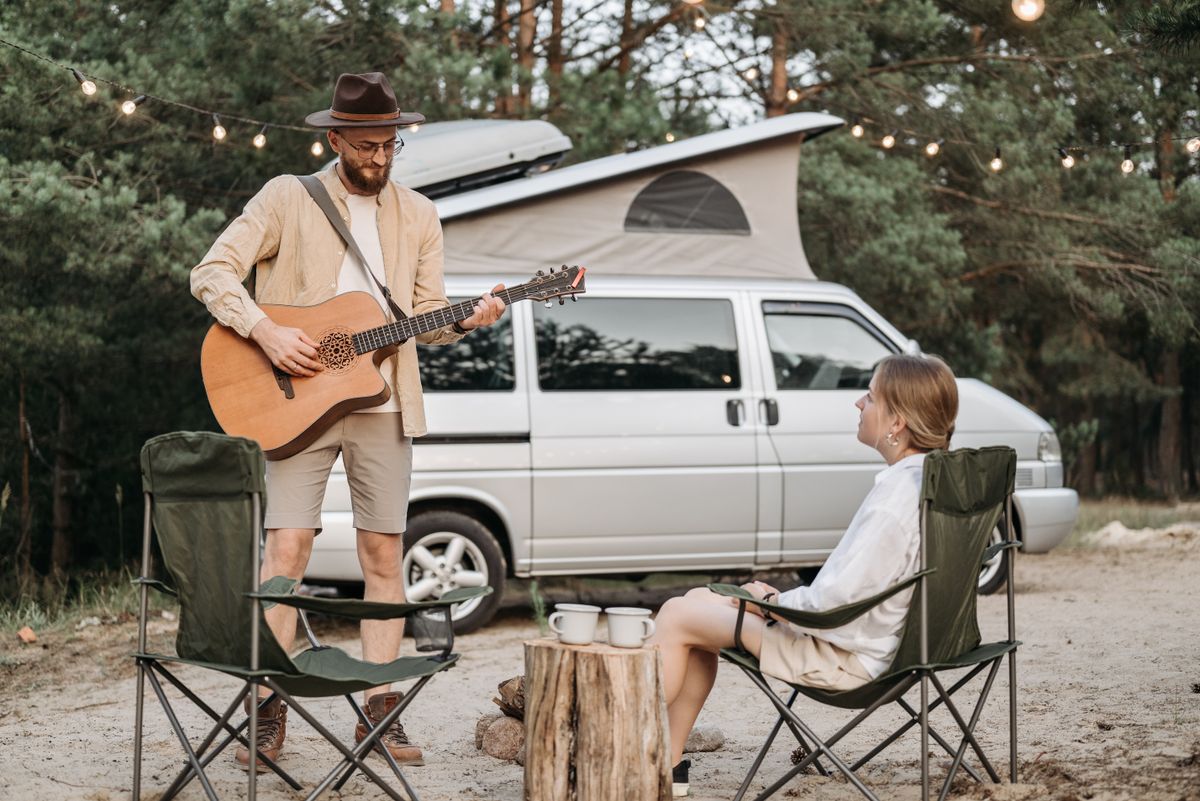
Photo by Pavel Danilyuk on Pexels
When evaluating a waterproof solar camping light, two axes matter here: the mechanical seal of the inflation valve or casing, and the electronic insulation of the internal charging hardware. Think of it as a matrix of environmental exposure versus functional duration. For a solar camping light to be truly effective in a marine or heavy-rain environment, it must balance a high IP (Ingress Protection) rating with efficient solar conversion rates. Technical data indicates that high-performing units in this category typically feature an IP67 rating, meaning they are dust-tight and capable of withstanding immersion in water up to one meter for 30 minutes. These units often provide a coverage area of several square meters with a lumen output ranging from 50 to 75 lumens, depending on the brightness setting. The battery systems are designed to offer a runtime of up to 24 hours on a single solar charge, ensuring that the light remains functional throughout the night even if daytime charging was partially obstructed by cloud cover. This level of resilience is particularly critical when considering an inflatable solar light for water-based activities where buoyancy and waterproofing are equally vital. For those moving through varied terrain, [lightweight solar camping light options for treks](/blog/lightweight-solar-camping-light-for-trek) must maintain these waterproof standards without adding significant bulk to the pack.
Expert tip: To maximize the lifespan of your waterproof solar camping light, always ensure the USB charging port cover is fully seated before exposure to moisture, as this remains the most common point of failure even in high-IP rated devices.
This framework is essential when selecting an inflatable solar light for backpacking, as the weight-to-durability ratio is the primary constraint. Furthermore, understanding how an [emergency solar light for backpacking](/blog/emergency-solar-light-for-backpacking) performs in saturated conditions can be the difference between a managed situation and a critical failure. The decision rule: prioritize a fully integrated solar panel and hermetically sealed body over modular designs when water exposure is a confirmed variable of your excursion.