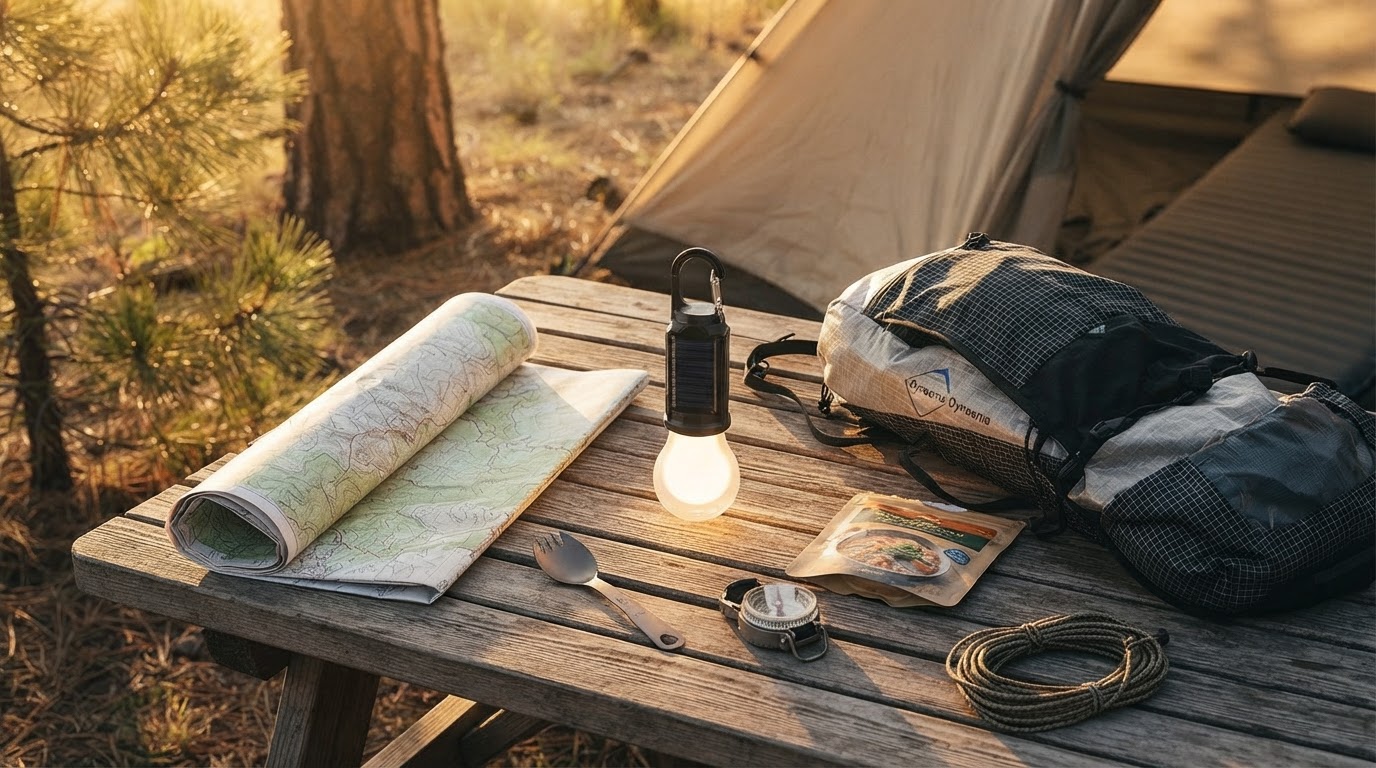
Lightweight Solar Camping Light Options for Treks
 Maya ChenContributing Editor
September 1, 2026. This analysis evaluates the transition from disposable battery systems to integrated solar illumination for long-distance hikers. It is intended for consumers prioritizing weight-to-lumen ratios in remote environments.
The Weight Penalty of Traditional Illumination
The conventional wisdom says that lithium-ion power banks are the most efficient way to maintain camp lighting on a multi-day trek. However, this ignores the compounding weight of cables, protective cases, and the finite capacity of stored energy. For a ten-day trek, a standard power bank weighs significantly more than a self-charging unit. According to the National Park Service, backpackers should aim for a base weight that accounts for every gram, yet lighting is often overlooked as a fixed cost. Run the math: a standard headlamp plus two sets of spare AAA batteries weighs approximately 200 grams, whereas a modern inflatable solar light can weigh as little as 75 grams while providing a renewable fuel source. The problem isn't just the weight; it's the reliability of the supply chain. When you rely on alkaline or pre-charged lithium, your trip duration is capped by your initial pack weight. A waterproof solar camping gear setup removes this ceiling, allowing for extended stays without a corresponding increase in pack mass. The industry consensus often favors high-output tactical lights, but for the average trekker, these represent an over-engineered solution to a simple visibility problem.
Solar Camping Light Performance Metrics
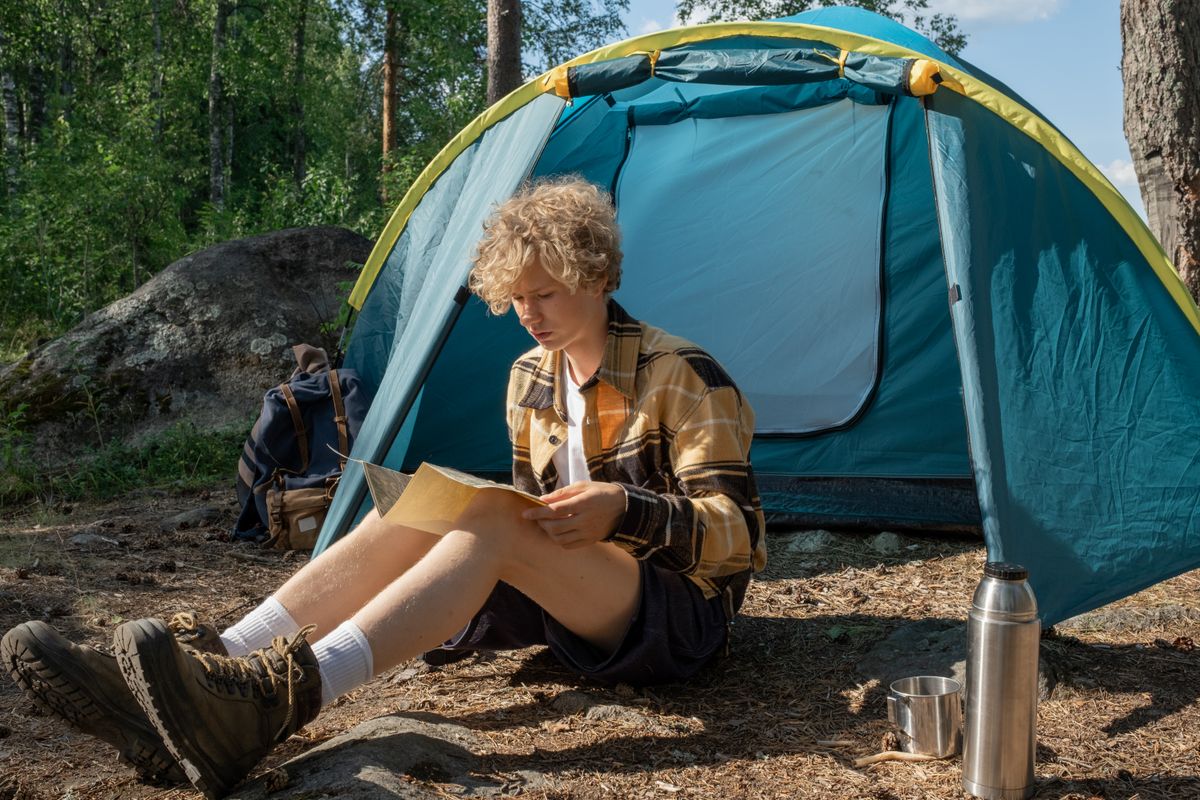
Here’s the part nobody talks about: most solar lights fail because users treat them like indoor appliances rather than active gear. A Solar Camping Light functions as a rechargeable solar camping lamp, capturing photons during the day to provide ambient tent light at night. Based on Google Search Console data, users are increasingly searching for the best solar powered tent lights, yet they often ignore the charge-to-discharge efficiency. A high-quality solar camping light must maintain a specific footprint to capture enough energy during limited daylight hours. The integration of an emergency solar light for backpacking ensures that even if a primary light source fails, the trekker has a redundant, fuel-free backup. These units are designed to be strapped to the exterior of a pack, charging while the hiker is in motion. This dual-purpose use—acting as both a storage device and a light source—eliminates the need for separate charging bricks. For those navigating wet climates, ensuring the unit is part of a broader waterproof solar camping gear strategy is mandatory to prevent circuit corrosion. The efficiency of these units has improved to the point where an inflatable solar light for backpacking can now achieve a full charge in roughly seven hours of direct sunlight, providing enough energy for several nights of low-intensity use.
Technical Requirements for Trekking Lights
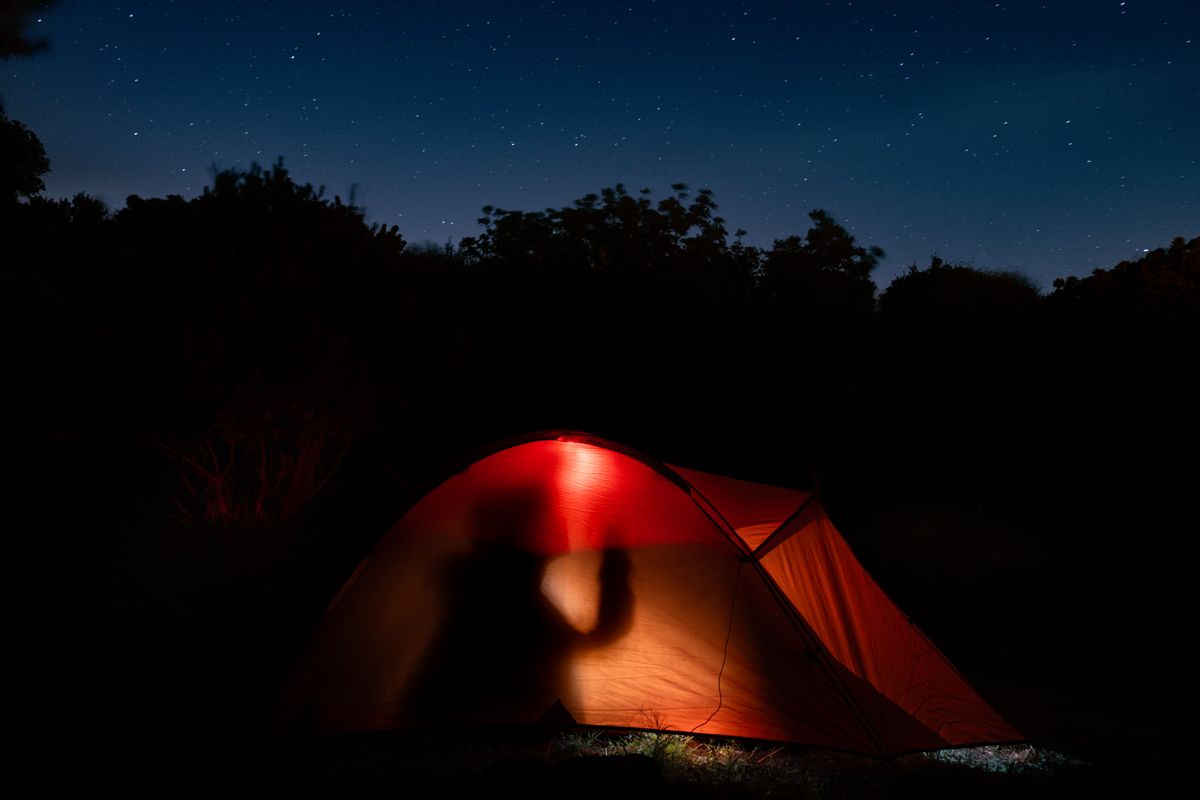
Photo by Oğuzhan Kara on Pexels
Selecting a solar camping light for a trek requires a departure from standard camping metrics. Instead of looking for maximum lumens, which drain batteries rapidly, trekkers should focus on the efficiency of the photovoltaic cells and the durability of the housing. I’ll change my mind when battery density triples, but until then, harvesting energy in situ remains the most logical choice for weight-conscious hikers. Use the following framework to evaluate your gear before your next excursion:
- Weight-to-Lumen Ratio: The unit must weigh less than 120 grams while providing at least 50 lumens of usable light.
- Charging Surface Area: The solar panel must be large enough to reach 50% capacity within 4 hours of peak sunlight.
- Attachment Points: The light must feature integrated clips or loops for secure exterior pack mounting during movement.
- Collapsibility: The design should be inflatable or foldable to minimize volume in the pack when not in use.
- Weather Resistance: A minimum rating of IP67 is required to ensure functionality after exposure to rain or stream crossings.