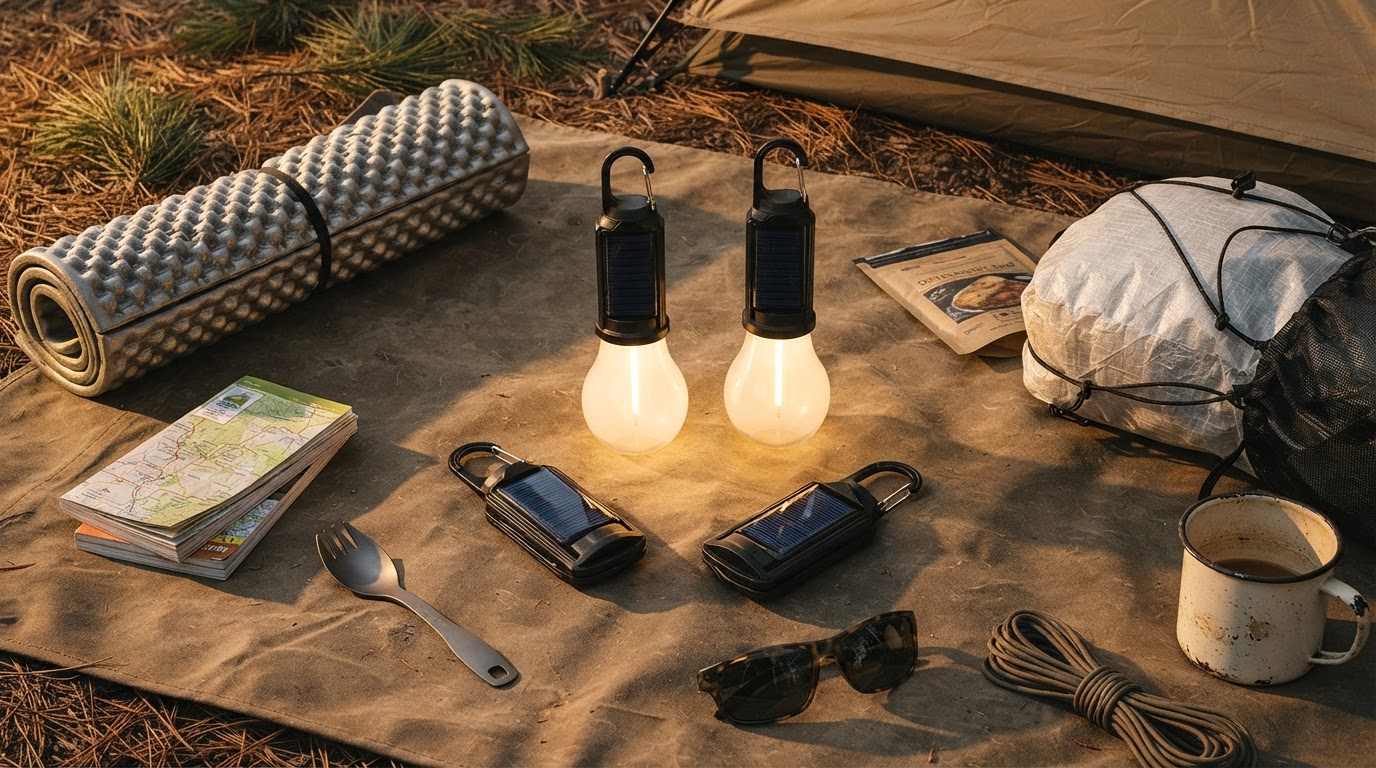
Optimizing Space with the Collapsible Solar Lantern
 Sam VasquezBuying Guide Lead
September 9, 2026. This guide examines the utility and durability of collapsible solar lanterns for modern outdoor recreation. It is written for backpackers and car campers who prioritize weight management and sustainable power sources.
The Challenge of Bulk in Backcountry Lighting
Packing for a multi-day trek often feels like a game of Tetris where the stakes are physical fatigue. Traditional rigid lanterns are notorious space-wasters; they occupy a fixed volume in your pack regardless of whether they are turned on or off. I have spent years testing gear where every cubic inch matters, and the standard hard-shell lantern is usually the first thing I leave behind in favor of a headlamp. However, headlamps are terrible for area lighting—they create harsh shadows and blind your campmates during dinner. The industry shifted toward inflatable and accordion-style designs to solve this specific volume-to-utility ratio. According to Reddit discussions regarding portable solar lanterns for camping, users frequently cite the frustration of rigid gear cracking under pressure or taking up space that could be used for extra water or insulation. The move toward collapsible structures addresses the physical footprint, but it introduces new vulnerabilities, such as puncture risks in inflatable models or mechanical failure in folding hinges. When you are miles from the nearest trailhead, a light that won't deploy because a plastic crease snapped is more than an inconvenience; it is a safety hazard. If you are on a budget, you might be tempted by the cheapest plastic pop-up lights found in big-box stores, but these rarely survive a single season of temperature fluctuations. Skip this if you only camp in developed sites with electrical hookups, as a standard plug-in lamp will always provide more consistent lumens without the charging anxiety.
How Solar Camping Light Solves the Portability Gap
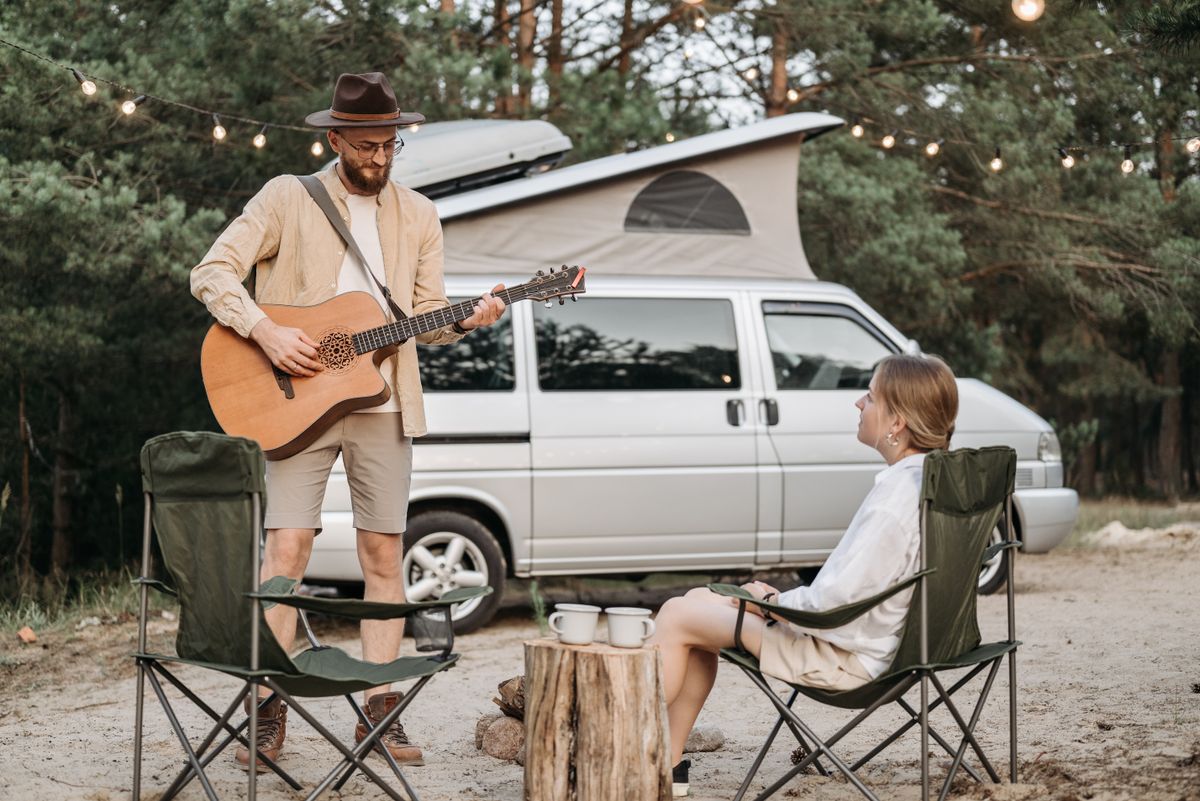
Photo by Pavel Danilyuk on Pexels
The Solar Camping Light approach focuses on minimizing the mechanical failure points that plague generic collapsible designs. By integrating high-efficiency photovoltaic cells directly into the collapsible housing, these units eliminate the need for external battery packs or fragile wiring harnesses. In my experience, the most effective models utilize a rechargeable solar camping lamp architecture that allows for both passive charging during the day and active topping-off via cable. The research context indicates that a rechargeable camping lantern solar setup is one of the most sought-after configurations because it provides a safety net for overcast days. The Solar Camping Light specifically targets the "best solar powered tent lights" search intent by offering a diffused glow that won't melt your retinas in a small nylon enclosure. Between these two—the inflatable bladder style and the silicone folding style—I’d go with the silicone folding design. Inflatable lights are lightweight, but they are prone to pinhole leaks that render them useless as a standing lamp. A silicone-based portable solar lantern for camping maintains its shape better over time and acts as a natural diffuser for the internal LEDs. Furthermore, the integration of a usb solar camping light combo ensures that you aren't strictly dependent on the sun, which is critical if you’re setting up camp after dark in a canyon. The build quality of these units reflects a shift toward utilitarian durability rather than just novelty folding. You get a light that packs down to less than two inches in height but expands to illuminate a four-person tent effectively.
Selecting the Right Collapsible Model for Your Pack
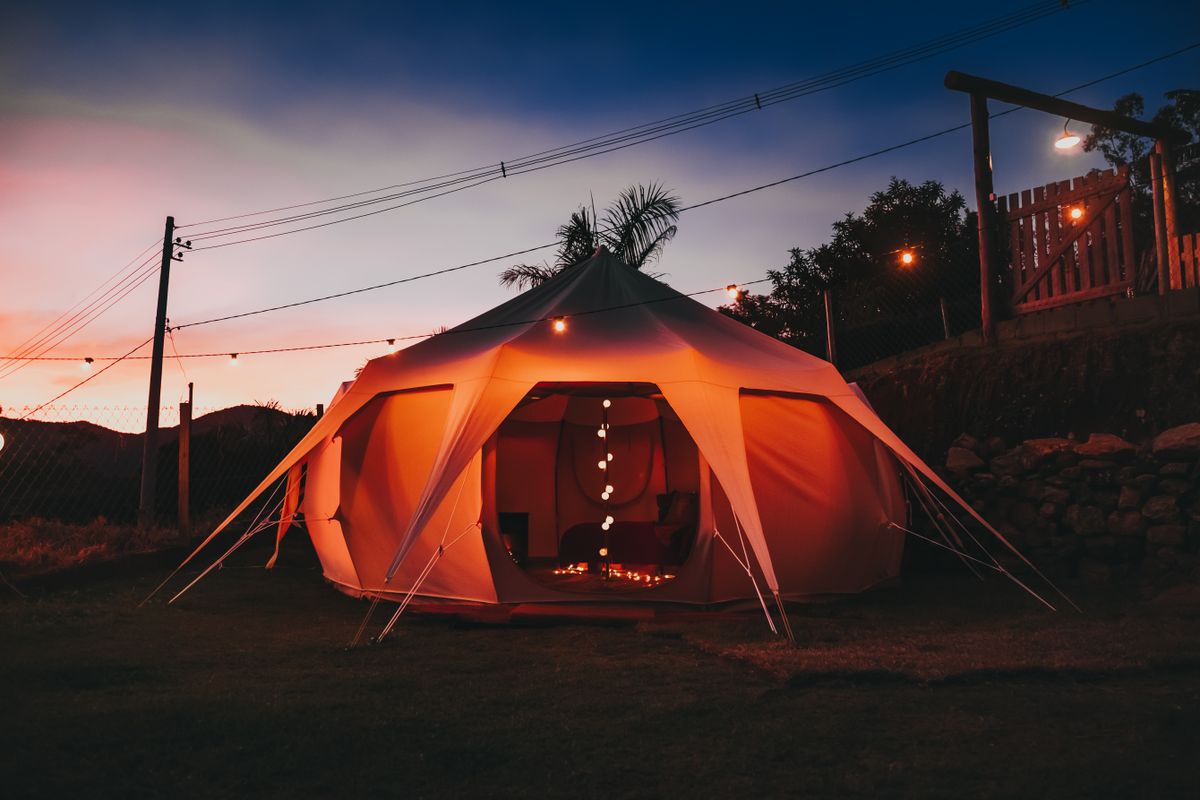
Photo by Matheus Bertelli on Pexels
Choosing the right light requires looking past the lumen count and focusing on the recharge-to-discharge ratio. A lantern that claims 500 lumens but only lasts two hours on a full charge is a liability, not an asset. When evaluating your options, consider the charging versatility; a rechargeable solar camping lamp should ideally reach a usable charge within 6 to 8 hours of direct sunlight. Here’s what I’d actually buy: a mid-range silicone collapsible unit with a secondary USB-C port. This gives you the flexibility to charge from a power bank during a storm while relying on the solar panel as your primary source during fair weather.
Before you commit to a specific model, run through this checklist to ensure it meets the demands of the trail:
- Packability: Does the unit collapse to less than 25% of its expanded height?
- Charging Inputs: Does it offer a USB-C input for emergency charging alongside the solar panel?
- IP Rating: Is the unit rated at least IPX4 for water resistance against unexpected rain?
- Light Modes: Does it include a low-power "night light" mode to preserve battery life overnight?
- Attachment Points: Are there integrated carabiner loops or handles for hanging from a tent peak?
- Weight: Is the total weight under 10 ounces for backpacking use?