How to Choose Night Camping Illumination for Tent Safety
Venturing into the wilderness after dark requires careful gear selection, especially when illuminating your living space. Selecting proper night lighting is essential for maintaining safety, navigating terrain around your shelter, and preventing accidents inside your tent.
Understanding Campsite Illumination Needs
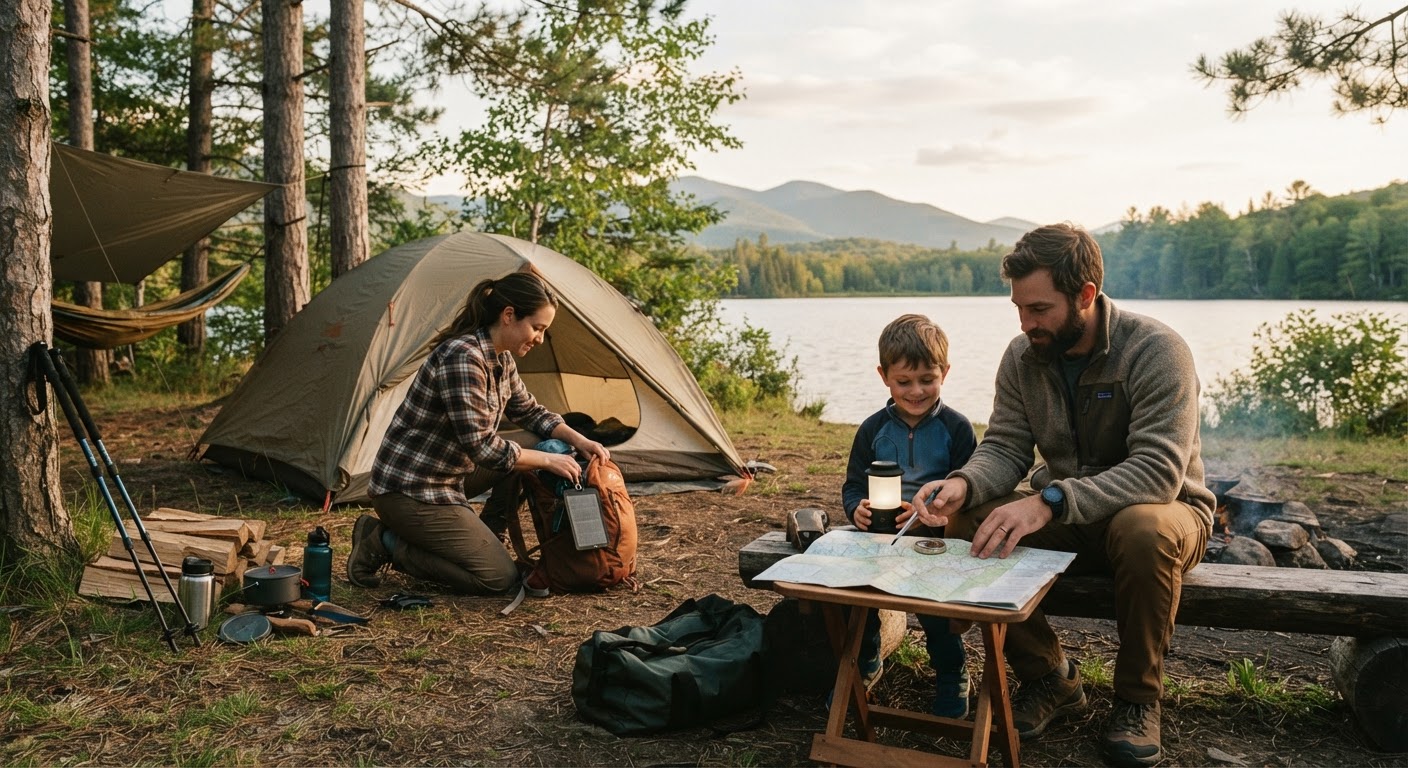
Different camping activities demand varied light outputs. High-intensity beams are necessary for searching trails or managing camp chores, while low-intensity warm light creates a cozy atmosphere inside your tent without blinding companions. For comprehensive insights into gear selection, check out the main guide on wilderness setup.
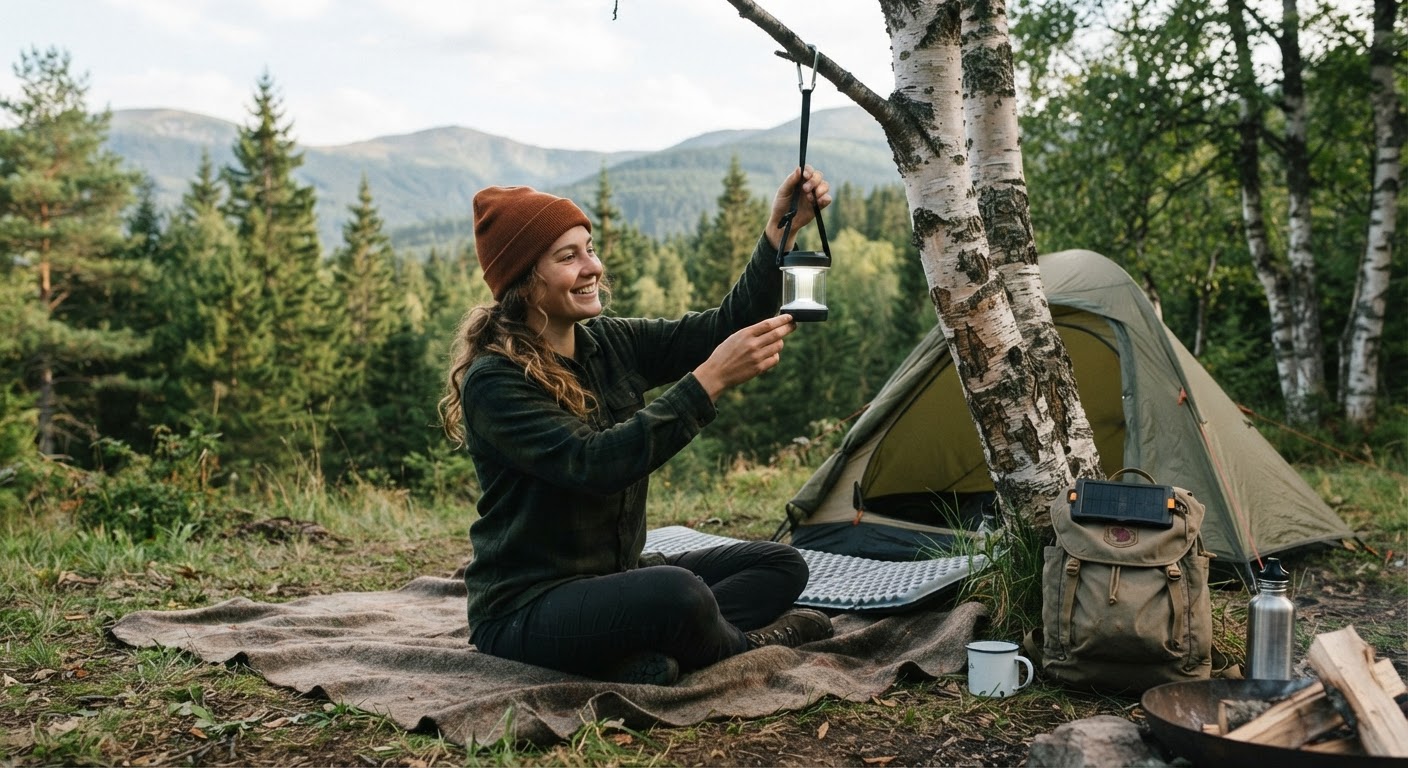
When evaluating lights, consider how easily they can be positioned. Units with an integrated hook design allow quick suspension from tent loops or overhead branches, providing overhead ambient lighting that keeps your hands free for cooking or organizing gear.
Key Features for Tent-Safe Night Lighting
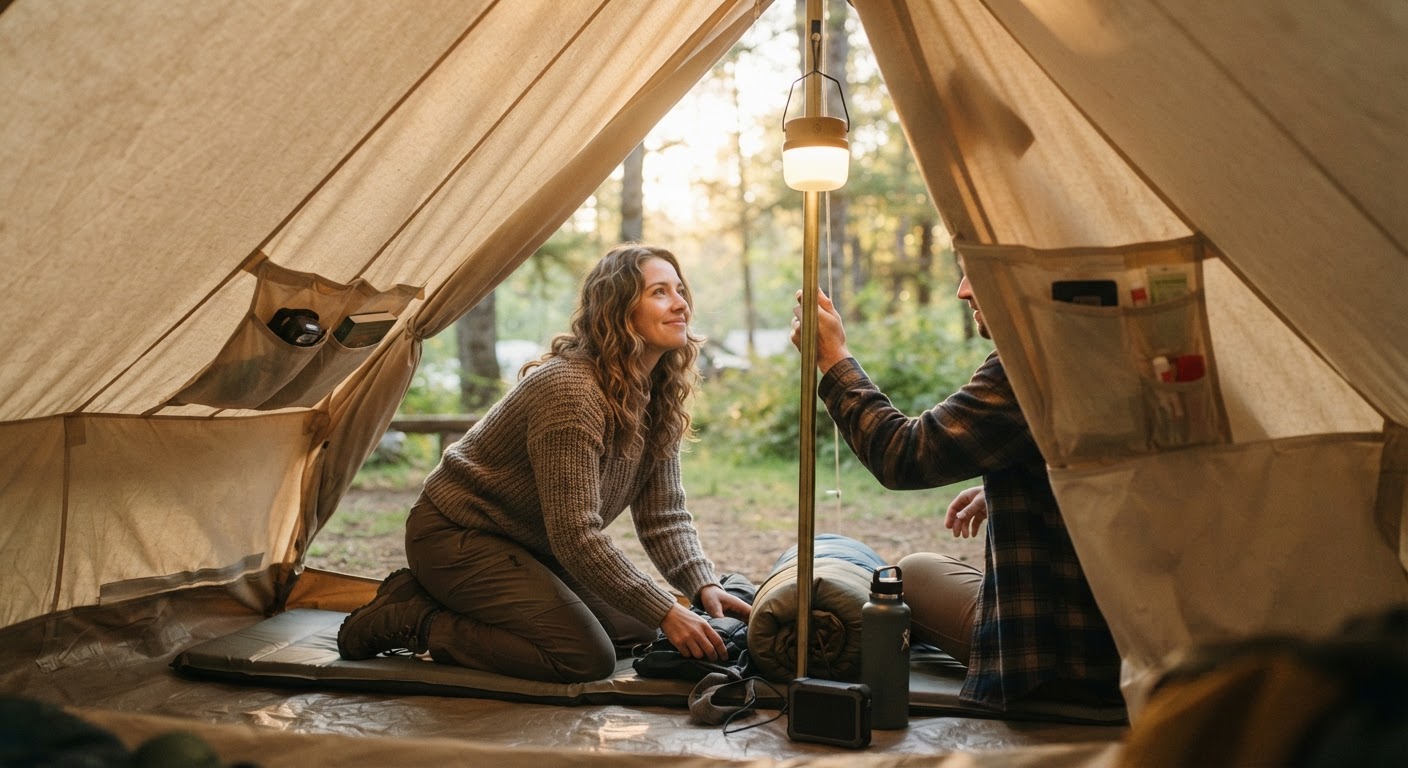
Safety inside tent enclosures requires lights that generate minimal heat. Modern LED systems using retro tungsten elements offer classic aesthetics without fire hazards. Additionally, look for these practical specifications:
- Multiple Output Modes: Having three adjustable levels (strong, medium, low) helps balance visibility with energy conservation.
- Weather-Resistant Design: Outer shell construction should withstand damp ground, condensation, and rain.
- Compact Dimensions: Portable units measuring roughly 7.6 x 2.2 inches fit easily into side pockets or emergency kits without adding excessive weight—typically weighing around 6-8 oz.
Practical Tips for Setting Up Evening Camp Light
To maximize efficiency during multi-night trips, always start with fully charged battery banks via USB-C before heading into the field. Place your lights near sunny spots during the day; solar energy acts as a helpful auxiliary charging method to top off power while you relax. Maintain proper light etiquette by using lower brightness settings late at night to preserve natural night vision and respect neighboring campers.
Read the full guide: Essential Gear for Night Camping: The Ultimate Outdoor Lighting Guide